Reach vs Impressions: The Difference (and Which One Matters)
Reach vs impressions explained simply: what each metric means, how they differ, and which one to check before you post again.
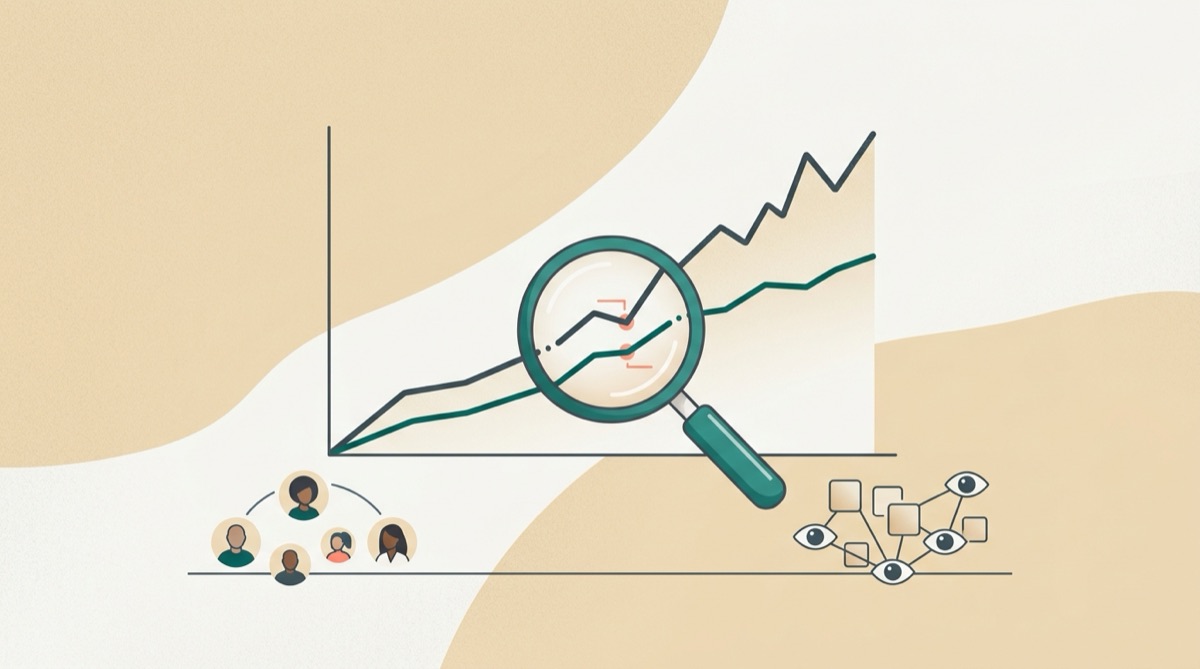
Reach is the number of unique accounts that saw your post; impressions is the total number of times it was shown, including repeat views from the same account. Impressions is always equal to or higher than reach, since one person can see a post more than once. This guide explains the difference in plain terms, works through a simple example, and tells you which number to check depending on what you are trying to learn.
Reach vs impressions: the definitions
Reach answers "how many different people saw this." Each account is counted once, no matter how many times it saw the post.
Impressions answers "how many times was this shown, in total." The same account can add to this number more than once.
Some platforms use the word "views" instead of impressions, particularly for video. The idea is the same: a total count of viewing events, not unique people.
A simple example
Say a post is shown to 500 unique accounts over a day. Most of them see it once, but 150 of those accounts see it a second time later on, maybe because they scroll back through their feed or open a Story replay.
- Reach: 500 (the count of unique accounts)
- Impressions: 650 (500 first views plus 150 repeat views)
The post did not reach more people the second time around. It just showed up again for some of the same 500 accounts.
Now compare that with a second post shown to only 200 unique accounts, but replayed enough to end at 500 impressions. That post reached fewer people overall, but the ones it did reach came back to it more than once, which is often a sign the content itself, not just the algorithm's first push, pulled people back in.
Why one account can create several impressions
A single account can rack up multiple impressions on the same post in a few ordinary ways:
- The feed shows the post again later in the day, especially if it is getting engagement.
- The viewer scrolls back up or revisits your profile and sees it a second time.
- A Story gets replayed, either by the same viewer tapping back or through an automatic loop.
- Someone shares the post into their own Story or a message, and the original viewer sees it again through that share.
None of this is a problem to fix. It is simply how impressions accumulate on top of reach.
Reach and impressions across platforms
Instagram and Facebook both use the terms reach and impressions directly, in exactly the sense described above. TikTok and YouTube generally report views instead, which behaves like impressions: a total count of plays, not a count of unique viewers. LinkedIn's impressions number works the same way, counting total views rather than unique ones. Whatever a platform calls its version, the underlying idea stays the same: one number counts people, the other counts views, and views will always be the larger or equal number.
Common mistakes with reach and impressions
- Comparing impressions between two very different posts. A post with high impressions but low reach mostly replayed for a small group; a post with high impressions and high reach genuinely traveled further. The two are not equally impressive.
- Treating a big impressions number alone as proof a post worked. If reach barely moved, the post mostly circulated among people who already saw it, which is a different result than reaching new accounts.
- Confusing reach with follower count. Reach can exceed your follower count when a post is shared or shown to non-followers, and it can also land well under it. Neither is automatically good or bad without a trend to compare it to.
- Judging one post against a benchmark instead of your own history. A "low" reach number only means something next to your own recent average, not a figure from a study about a different account.
Reach vs impressions: which one should you check
| Question you are asking | Check this |
|---|---|
| How many different people saw this? | Reach |
| How often did people see it, in total? | Impressions (or views) |
| Is my audience growing? | Reach, alongside follower growth rate |
| Am I showing an ad to the same people too often? | Impressions compared with reach |
| What is a fair engagement rate for this post? | Use reach as the denominator, not impressions |
As a rule of thumb, reach is the number to watch for organic posts and for judging whether new people are finding your account. Impressions matters most once you are running ads or boosts, where showing the same ad too many times to the same audience (a high "frequency," which is impressions divided by reach) tends to wear a message out.
How this shows up in your other metrics
Reach and impressions feed into other numbers you likely already track. Engagement rate is fairer when you divide by reach instead of total followers, since it measures how the people who actually saw the post responded, not your whole audience. Follower growth rate is a separate calculation, but a steady climb in reach is usually the first sign that growth is about to follow. Our list of social media KPIs covers where both of these fit alongside reach and impressions in a fuller weekly review, and follower growth rate has the formula if you want to track that number specifically.
Why platforms bother showing both
Reach and impressions answer two different business questions, which is why neither one replaces the other. Reach tells you whether new people are finding you, which matters most when the goal is growth or awareness. Impressions tells you how much repeat exposure a piece of content is getting, which matters most once you already have an audience and want to know if you are wearing out your welcome with it or still adding value on a second look. A healthy account usually wants steady reach and a reasonable amount of repeat impressions, not one at the total expense of the other.
Track both without extra work
Checking reach and impressions for every post by hand gets old fast, especially across more than one account. BroadcastPost's analytics track reach, impressions (or views), likes, comments and follower growth per account in one chart and table, with a CSV export if you want to dig in further. Try BroadcastPost free if you would rather see both numbers next to your queue instead of digging through each platform's own app.
If you are new to reading these numbers at all, start with Instagram analytics for free for the exact screens to open, or social media analytics for beginners for the wider set of metrics worth a weekly look. Once you know what a post's reach usually looks like, scheduling your posts at the times that reach performs best is the natural next step.
Key takeaways
- Reach counts unique accounts; impressions count total views, including repeats from the same account.
- Impressions is always equal to or greater than reach, never lower.
- Use reach to judge how far a post traveled and whether your audience is growing.
- Use impressions, and the frequency it creates alongside reach, to judge repeat exposure, especially for ads.
- Engagement rate is fairer when calculated against reach rather than total followers.
Frequently asked questions
- What is reach on Instagram?
- Reach is the number of unique accounts that saw a post, Reel or Story at least once. It does not matter how many times any one of them saw it; each account only counts once.
- What is the difference between reach and impressions?
- Reach counts unique accounts; impressions count total views, including repeats from the same account. Impressions is always equal to or higher than reach, since one person can see a post more than once.
- Is reach or impressions better for measuring success?
- Reach is usually the better number for judging how far a post traveled and whether your audience is growing. Impressions is more useful for judging repeat exposure, such as whether an ad is being shown to the same people too often.
- Can impressions be lower than reach?
- No. Every unique account counted in reach saw the post at least once, so impressions can only match or exceed reach, never fall below it.
- Why are my impressions higher than my reach?
- Some accounts saw the post more than once, through a second scroll, a Story replay, or the post showing up again later. A gap between the two numbers is normal and does not mean anything is wrong.